Microplastics Toxicology
Regulatory and toxicological solutions for evaluation of microplastics under the REACH regulation.
Microplastics
New requirements for REACH
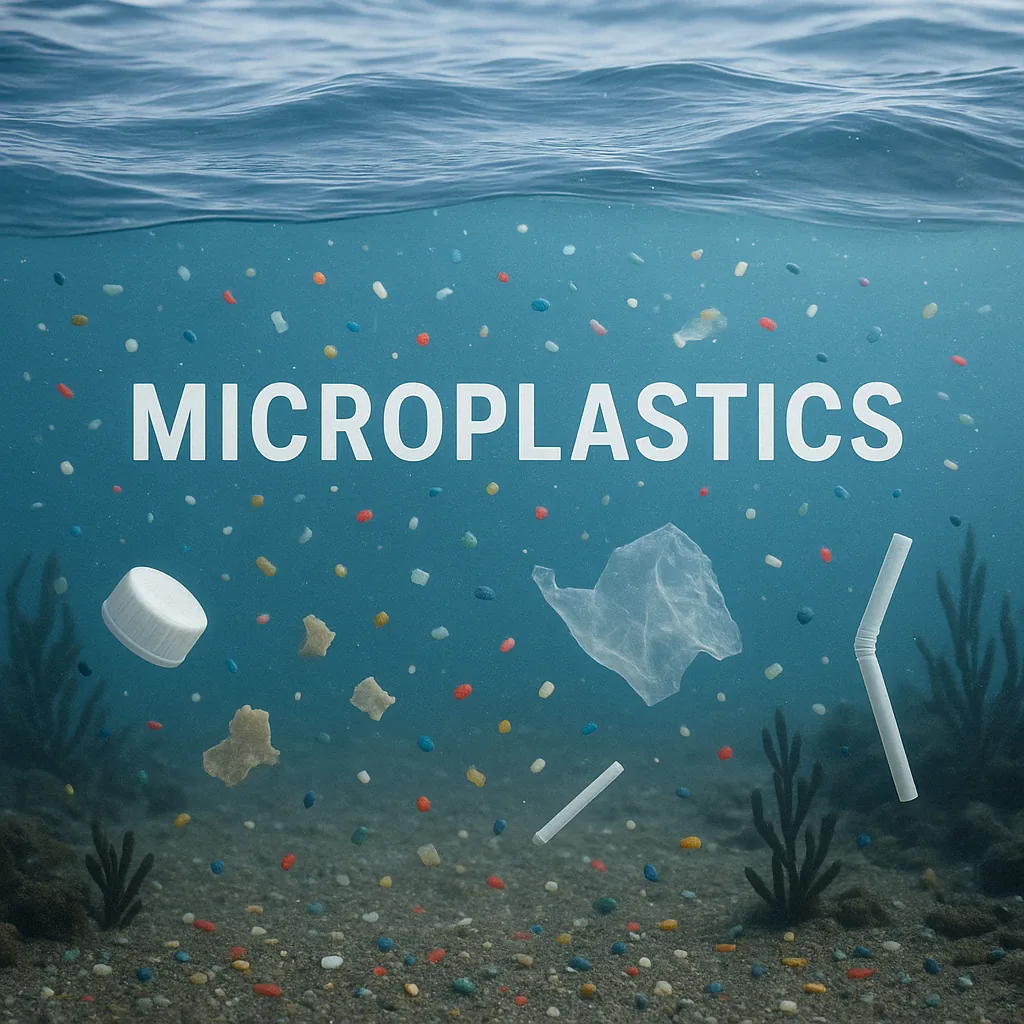
Microplastics are very small particles of plastic material (generally smaller than 5 mm) that can be formed unintentionally by wearing large plastic parts, such as synthetic fabrics. They can also be deliberately manufactured and added to products for a specific purpose, for example as exfoliating particles in face creams or body scrubs.
Once released into the environment they can be accumulated by animals, including fish and shellfish, and consequently consumed as food, representing a significant risk to human health and ecosystems.
ECHA planned a schedule for the restriction proposed in reference to intentionally added microplastics.
Regulatory Process
Chronology of implementation of microplastic restrictions in REACH
Process Start
ECHA starts the evaluation process for the restriction of intentionally added microplastics.
Formal Proposal
Formal presentation of the restriction proposal under Annex XV of REACH.
Scientific Evaluation
RAC and SEAC committees at ECHA perform detailed evaluations of the proposal.
Restriction Adoption
Adoption of restrictions with specific transitional periods for different sectors.
Toxicological Consulting Services
Comprehensive solutions for microplastics assessment and regulation
Applicability Assessment
Determining if your products meet the regulatory definition of microplastics.
- Solid particle criteria verification
- Particle size analysis
- Polymer criteria evaluation
Toxicological Reports
Comprehensive reports on the toxicological impact of microplastics in your products.
- Human health risk assessment
- Environmental impact analysis
- Scientific supporting documentation
Exemption Analysis
Detailed evaluation of possible exemptions applicable to your products.
- Usage-based exemption identification
- Scientific justification reports
- Technical argumentation
Frequently Asked Questions
According to the REACH proposal, microplastics are solid particles containing polymers with a size smaller than 5 mm in at least one dimension, being insoluble and non-biodegradable.
Mainly cosmetics, detergents, maintenance products, fertilizers, and certain construction materials, among others.
Yes, for example for industrial site uses where microplastics are permanently incorporated into a solid matrix or for certain scientific applications.